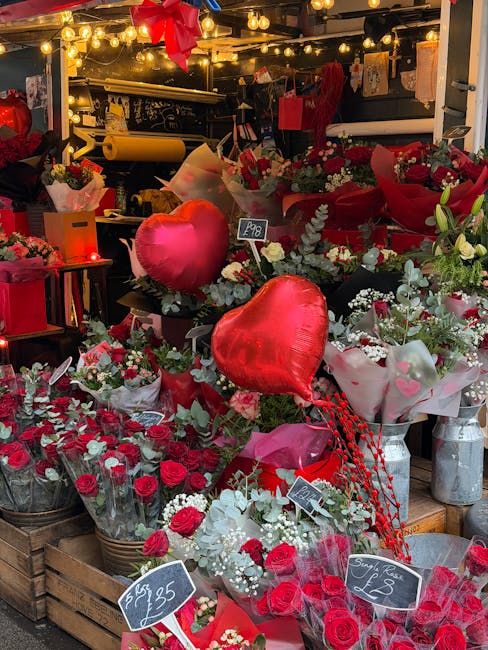
Hackney Council rules for flower stalls in Stoke Newington
Posted on 03/11/2026
If you are planning a flower stall in Stoke Newington, the paperwork can feel more complicated than the flowers themselves. One minute you are thinking about buckets, buckets, and more buckets; the next you are trying to work out what Hackney Council expects, where you can trade, and whether you need permission before you even set out a single stem. The good news? Once you understand the basics of Hackney Council rules for flower stalls in Stoke Newington, the whole thing becomes much more manageable.
This guide breaks down how stall permissions, street trading considerations, public-space rules, and practical compliance issues usually fit together. It is written for people who want a clear, realistic overview, not a legal maze. We will look at what matters, how the process tends to work, where traders trip up, and what to check before you open for business near the bustle of the High Street, a quiet side road, or a Saturday market corner when the air still feels cool at 8 a.m.
Table of Contents
- Why Hackney Council rules for flower stalls in Stoke Newington Matters
- How Hackney Council rules for flower stalls in Stoke Newington Works
- Key Benefits and Practical Advantages
- Who This Is For and When It Makes Sense
- Step-by-Step Guidance
- Expert Tips for Better Results
- Common Mistakes to Avoid
- Tools, Resources and Recommendations
- Law, Compliance, Standards, or Best Practice
- Options, Methods, or Comparison Table
- Case Study or Real-World Example
- Practical Checklist
- Conclusion
- Frequently Asked Questions
Why Hackney Council rules for flower stalls in Stoke Newington Matters
At first glance, a flower stall seems simple. Fresh stock, a good display, a sturdy table, maybe a bit of ribbon and a friendly smile. But in a place like Stoke Newington, a stall is not just a retail setup. It is part of the street environment, and that means council rules matter more than many new traders expect.
Hackney Council rules for flower stalls in Stoke Newington matter because they help determine whether you can trade legally, where you can trade, how you use public space, and whether your stall creates problems for pedestrians, neighbours, or nearby businesses. That last bit is easy to overlook. A display board or bucket that looks harmless to you can become an obstruction if it narrows the pavement on a busy day. And in Stoke Newington, where footfall can vary from sleepy weekday mornings to lively weekend stretches, space management is not a small detail.
There is also the question of fairness. Council rules are meant to create a level playing field so one trader is not taking over a pitch informally while another has gone through the proper process. Nobody loves the admin, let's face it, but clarity protects everyone.
For flower traders, the practical side is just as important. If you understand what is allowed, you can plan stock levels, van sizes, opening hours, set-up times, and waste handling more confidently. That means fewer last-minute scrambles and fewer awkward conversations on the pavement.
Expert summary: In simple terms, the rules are there to balance trade with public safety, access, and fair use of the street. If you want to sell flowers in Stoke Newington, start with permission, then build your stall design around the space you are actually allowed to use.
How Hackney Council rules for flower stalls in Stoke Newington Works
The exact route depends on where you want to trade and what kind of setup you have, but the broad idea is usually the same: you need to establish whether your stall is on private land, on a market pitch, or on public highway space. Those are not interchangeable. A flower stall outside a shopfront, for example, may raise different issues from a pitch in an organised market area or a stall on a pavement where pedestrian movement is critical.
In practical terms, there are usually a few moving parts:
- Location permission: You need to know who controls the space and whether trading is allowed there.
- Street trading or pitch approval: If you are using public land, a permit or licence may be required depending on the setup.
- Obstruction and safety checks: Your stall should not block access, visibility, or safe movement.
- Business basics: Even a small flower stand may need to think about insurance, tax, and record keeping.
- Waste and presentation: Water tubs, packaging, and unsold stock need a tidy plan, not a vague hope.
What many people miss is that flower stalls are judged not just on the flowers but on the whole footprint. A neat arrangement of roses in the morning can become a soggy obstacle by midday if the buckets leak onto a narrow pavement. Mildly glamorous? Not really. But very real.
If you are unsure whether your site is in a regulated trading zone or whether the council treats it as street trading, treat that uncertainty as a signal to check before you set up. Better a delayed launch than a problem with enforcement later.
For traders who also operate as a local florist, it can help to think of a stall as an extension of your shop or workshop. That mindset makes the setup feel less random and more disciplined. A good example is a florist who uses a mobile display for weekend bouquets but keeps the main order flow tied to a proper base operation such as a local florist in Stoke Newington. That structure tends to keep the business cleaner from a compliance perspective.
Key Benefits and Practical Advantages
Once the rules are clear, the advantages are bigger than just "avoiding trouble." A properly set-up flower stall can be a surprisingly efficient and attractive way to sell. In a neighbourhood like Stoke Newington, where people often respond well to local, personal, and seasonal retail, the right stall can work beautifully.
Here are the main benefits:
- Predictable trading position: You know where you stand, literally.
- Better customer trust: A compliant-looking stall feels more reliable and professional.
- Less risk of disputes: Clear permission reduces arguments with neighbours or nearby traders.
- Better planning: You can prepare stock, staffing, and delivery timing more sensibly.
- Cleaner presentation: Rules often push traders to tidy up the display, which usually improves sales anyway.
There is also a branding benefit. Customers notice when a stall feels organised. Fresh water, clear prices, and a display that does not wobble in the wind make a big difference. The flowers are the headline, sure, but the presentation is the handshake.
If you also sell flowers through other channels, such as delivery or special occasion arrangements, a stall can support wider visibility. For example, some traders use a stall to showcase seasonal stems while sending customers to established ranges like flower delivery in Stoke Newington or send flowers in Stoke Newington. That is not just marketing fluff; it can help create a more stable business model.
Who This Is For and When It Makes Sense
This topic is for a few different kinds of people, and each has slightly different concerns.
- Independent florists who want a pavement display or pop-up stall.
- Small business owners testing whether a flower stand could work in the local area.
- Market traders who already sell nearby and want to add flowers to their offer.
- Event sellers who need temporary flower trading for a wedding weekend, community event, or seasonal market.
- Existing shops that want external display space for bouquets or seasonal arrangements.
It makes sense when foot traffic is steady enough to justify the effort and when your flowers need a visible, browse-friendly format. Flowers are tactile. People want to see the bloom, smell the freshness, and compare colours in natural light. A stall can do that better than many other retail formats.
It may not make sense if your site is awkward, heavily obstructed, or too close to a pinch point. In those situations, delivery-focused selling might be simpler. Some businesses lean more heavily on options like same-day flower delivery or next-day flower delivery and use the stall only when a pitch makes sense.
Truth be told, not every florist needs a stall. But if you already have local demand, it can be a smart way to catch impulse buyers who are passing by and thinking, "I should probably grab something nice." That is very Stoke Newington, really.
Step-by-Step Guidance
If you want to approach this properly, follow a practical sequence rather than trying to piece it together in a rush. It is much easier that way.
- Identify the exact trading spot.
Pin down the pavement, forecourt, market area, or private frontage you want to use. Rules can differ depending on the location and who controls it. - Check whether the space is public or private.
If you are on public highway or shared access, permission is usually more important than people realise. If it is private land, you may still need landlord consent and possibly planning-related checks. - Find out whether the stall is considered street trading.
Do not assume a small display is exempt. A portable set-up can still count as trading activity if it is in a regulated area. - Plan the footprint carefully.
Measure the tables, stands, buckets, and any queueing area. Leave room for wheelchairs, prams, and passers-by. Busy pavements feel tighter than they look on paper. - Prepare basic documents.
Insurance, business details, contact information, and any evidence of the right to trade may be needed. Keep them together. Somewhere sensible. Not buried under cellophane and twine. - Think through stock and water management.
Fresh flowers need clean water and a safe system for spillages. Damp pavements and loose stems are a bad mix. - Set pricing and display rules.
Prices should be clear. Your stall should not rely on guesswork or verbal-only selling. That just slows everything down. - Check opening hours and operational limits.
Even if the pitch is available, the timing may matter. Early setup and late pack-down can affect neighbours, deliveries, and noise. - Review waste and end-of-day procedures.
Unsold flowers, cardboard, ties, and damaged packaging should leave with you. A tidy close-down matters as much as a tidy opening. - Keep a record of what you were told.
If you speak to the council or a site controller, note dates, names, and agreed points. Small detail, big help later.
A nice rule of thumb: if you would struggle to explain your stall layout to a stranger in thirty seconds, it probably needs another pass. Clear and simple usually wins.
Expert Tips for Better Results
A good flower stall is not just legal; it is practical, attractive, and easy to manage. Here are a few tips that make the day smoother.
- Keep the front edge clean. The first thing people see should be the flowers, not trays, tape, or leftover wrap.
- Use stable containers. Heavy buckets or weighted stands are worth it, especially on windy mornings.
- Separate premium stems from everyday bunches. This helps customers shop faster.
- Keep a wet and dry zone. Water handling should not mix with payment gear or paper packaging.
- Choose a colour rhythm. Mixed displays work well, but a little structure helps the stall look intentional instead of chaotic.
- Make a quick backup plan for bad weather. Rain changes everything. Everything.
One small but useful trick: put your best-looking flowers slightly above eye level or at the front edge. People decide quickly. If they catch a lovely cluster of lilies or roses first, they are more likely to step in and browse.
And if you are building a seasonal offer, do not forget the surrounding products. Bouquets for birthdays, sympathy, or weddings can sit naturally alongside stall stock if your display is organised. That is where category pages such as birthday flowers or wedding flowers can support the wider customer journey without making the stall feel cluttered.
Common Mistakes to Avoid
Most problems with flower stalls are not dramatic. They are small mistakes repeated enough times to become a nuisance. The good news is that they are avoidable.
- Assuming all pavement space is fair game. It is not.
- Starting trading before confirming permission. That is a classic headache.
- Letting buckets spill onto the footway. Slippery water is a fast way to create complaints.
- Overcrowding the pitch. More stock is not always better. Sometimes it just looks messy.
- Ignoring neighbour access. If people cannot pass comfortably, the stall is probably too large.
- Forgetting end-of-day cleanup. A few loose stems and soggy sleeves can make the site look abandoned.
- Using unclear pricing. Confusing price tags slow down sales and invite hassle.
There is a slightly awkward truth here: many flower stalls get into trouble not because of the flowers, but because of the footprint around them. The buckets, the boxes, the packaging, the little basket of coins, the delivery trolley that "will only be here for five minutes" - all of it matters. A lot.
Another common slip is treating compliance as a one-off task. In reality, permissions, site rules, and operating expectations can change. A setup that worked in spring may need a rethink in autumn when foot traffic, weather, or nearby works change the picture.
Tools, Resources and Recommendations
You do not need a giant toolkit to run a flower stall well, but a few practical items make life easier.
- Measuring tape: Useful for checking stall width and access space.
- Weighted tubs or buckets: Helps prevent tipping.
- Clear price labels: Simple, visible, and weather-resistant if possible.
- Spill towels or absorbent cloths: Small but very handy.
- Waste bags and a folding crate: For quick pack-down.
- Basic paperwork folder: Keep permissions, insurance, and business notes together.
- Weather cover: A light canopy or shelter can protect stock, but only if allowed in your location.
As for resources, your first practical step is usually to speak to the relevant local authority channel or site manager and ask specific questions about the exact trading spot. Specifics matter. "Can I sell flowers somewhere in Stoke Newington?" is too broad. "Can I place a small floral display at this exact frontage, on these days, at these times?" is the kind of question that gets useful answers.
If you are pairing a stall with wider flower sales, it is also worth thinking about customer care after the sale. Clear flower care guidance, dependable delivery information, and straightforward guarantees all help create trust. Customers are much happier when the whole purchase feels looked after.
Law, Compliance, Standards, or Best Practice
Because this topic sits close to local regulation, it is worth being careful with wording. The exact requirements for a flower stall can depend on location, land ownership, site designation, and how the council classifies the activity. That means you should treat any general guide as a starting point, not as a substitute for checking the current local position.
Best practice usually includes the following:
- Confirm the right to trade before opening.
- Keep walkways clear and accessible.
- Do not create a hazard with water, boxes, or protruding displays.
- Respect nearby residents and businesses.
- Follow any site-specific times, pitch sizes, or display conditions.
- Maintain appropriate business insurance where required.
- Handle waste and packaging responsibly.
It is also smart to think beyond the bare minimum. Good practice is usually better than "just enough" compliance, because flower selling depends on trust. A clean stall, neat signage, and predictable service make people more comfortable buying on the spot.
If your business model is broader than a stall, you might also compare how the site works with other formats such as a fixed shop, online ordering, or special-event product ranges. For instance, some businesses use a stall for daily trade and rely on flower shops in Stoke Newington as a more established base for premium orders and seasonal demand. That mix can be sensible, especially when the street pitch is only one part of the picture.
Options, Methods, or Comparison Table
If you are deciding how to sell flowers in Stoke Newington, it helps to compare the main approaches side by side. Different models suit different budgets and risk levels.
| Option | Best for | Pros | Trade-offs |
|---|---|---|---|
| Street flower stall | Impulse buyers, local footfall, seasonal trade | Visible, flexible, personal | Needs site permission, weather can affect sales |
| Fixed shopfront display | Established florists and repeat customers | More stable, easier to brand | Higher overheads, less spontaneous reach |
| Delivery-led business | Customers ordering in advance | Scalable, efficient, easier to manage stock | Less immediate customer interaction |
| Pop-up or event stall | Weddings, markets, community events | Good for short bursts of trade | Temporary permissions can still be strict |
For many small operators, the best answer is not one model alone but a blend. A stall can bring attention. Delivery can bring stability. A shop can build trust. The point is to match the trading format to the real demand you have, not the business you wish you had on a very optimistic Tuesday afternoon.
Case Study or Real-World Example
Imagine a florist who wants to trial a small flower stall near Stoke Newington on Fridays and Saturdays. The idea is simple: sell bunches of seasonal blooms, pick up impulse orders, and test local demand before committing to a larger retail move.
At first, the setup looks easy. A folding table, buckets of mixed tulips and roses, a hand-written price board, and a few tied bouquets. But once they measure the space, it becomes obvious the original plan would have left too little room for passers-by. So they reduce the footprint, raise the display on one side, and remove a second sign that would have stuck out into the path.
They also prepare a water-resistant tray, a small waste tub, and a pack-down routine. That matters more than people think. By the second week, they notice customers are happier to stop because the stall feels calm and tidy. One older customer even comments that it "looks like it belongs there," which, in retail terms, is basically a compliment of the highest order.
The lesson is straightforward: the stall did not become better because it was bigger. It became better because it was clearer, safer, and easier to use. That is exactly the kind of outcome local rules are supposed to encourage.
Practical Checklist
Use this before you trade, especially if you are setting up for the first time.
- Have I identified the exact trading location?
- Do I know who controls the space?
- Have I checked whether permission or a licence is needed?
- Is my stall size small enough to leave clear pedestrian access?
- Have I planned for water, waste, and pack-down?
- Are prices clear and visible?
- Do I have the right business documents to hand?
- Have I thought about weather protection?
- Will the stall be tidy from opening to closing?
- Do I know what to do if the site rules change or someone raises a concern?
If you can tick most of those off, you are already ahead of many first-time traders. Not perfect, maybe, but properly prepared.
Conclusion
The main thing to remember about Hackney Council rules for flower stalls in Stoke Newington is that the rules are not there to make life awkward. They exist to keep trading fair, safe, and workable in a busy local environment. Once you understand the site, the permission needed, and the practical details of layout and cleanliness, the process becomes much less intimidating.
For flower traders, the real opportunity is in combining compliance with good presentation. A tidy, well-run stall does more than avoid problems. It builds trust. It helps customers pause for a moment, notice the colour, and decide that yes, they do want to take home flowers today.
If you are still weighing up the best setup, take the time to compare a stall with delivery, shopfront, or event-based selling. The right mix can save a lot of stress later, and honestly, a calmer start is worth plenty.
Get a free quote today and see how much you can save.
And if you take one thing from this guide, let it be this: start with clarity, keep the stall simple, and the rest usually follows.
Frequently Asked Questions
Do I need permission to run a flower stall in Stoke Newington?
In many cases, yes. If you are trading on public space or a location that is controlled by someone else, permission or a licence may be needed. The exact position depends on the site, so check before you open.
Can I just place a small table outside a shop and sell flowers?
Not safely assume, no. A small table can still count as trading activity or require consent depending on where it is placed. Even a neat display can become a problem if it narrows the pavement or sits on land you do not control.
What is the difference between a flower stall and a flower shop?
A flower stall is usually a smaller, more portable trading setup, often outside or in a market-style location. A flower shop is typically a fixed premises with a more permanent retail presence. The rules, permissions, and operating costs can differ quite a bit.
Do I need insurance for a flower stall?
It is usually a wise idea, and in some cases it may be expected. Public liability cover is often considered sensible for any business operating in a public area, because it helps protect you if there is an accident or claim.
How much space should I leave around a stall?
Enough for people to pass comfortably, including prams, wheelchairs, and shoppers carrying bags. There is no one-size-fits-all answer here, because the available space and local conditions vary. The key is not to crowd the footway.
Can I sell flowers from a market pitch in Stoke Newington?
Possibly, if the pitch is authorised for that use and you meet the site rules. Market trading and street trading are not always the same thing, so the permission you need depends on the type of pitch.
What should I do if I want to trade seasonally only?
Seasonal trading can be a sensible approach, especially for events, holidays, or weekend-only sales. You should still confirm whether temporary permission is needed and check whether the site rules change for short-term trading.
Are flowers by delivery easier than running a stall?
Often, yes, at least from a compliance standpoint. Delivery-focused selling can reduce the need for a physical pitch, although you still need good stock control, customer service, and reliable fulfilment. Many businesses use both approaches together.
What are the most common reasons a flower stall gets into trouble?
Usually it is one of three things: trading without the right permission, blocking access, or failing to manage the stall neatly. Water spills, clutter, and poor pack-down habits can create complaints very quickly.
How do I make a flower stall look professional?
Keep the display simple, clean, and easy to browse. Use clear pricing, stable containers, and fresh-looking stock. A professional stall does not have to be fancy. It just needs to feel organised and cared for.
Should I use a stall, a shop, or delivery for my flower business?
It depends on your customer base, budget, and how much operational flexibility you need. A stall is great for visibility, a shop gives permanence, and delivery gives reach. Many traders eventually blend all three in a way that suits local demand.
What if I am unsure whether my exact spot is allowed?
Pause before trading and check the site-specific rules. That one step can save you a lot of hassle later. A quick clarification now is far easier than unpicking a problem after stock has already been set out.